Ritucharya: How to Adjust Your Routine With the Seasons
Your constitution stays the same all year. The weather does not — and Ayurveda asks you to move with it.
6 min read · Ayurveda Nest editorial team · Updated
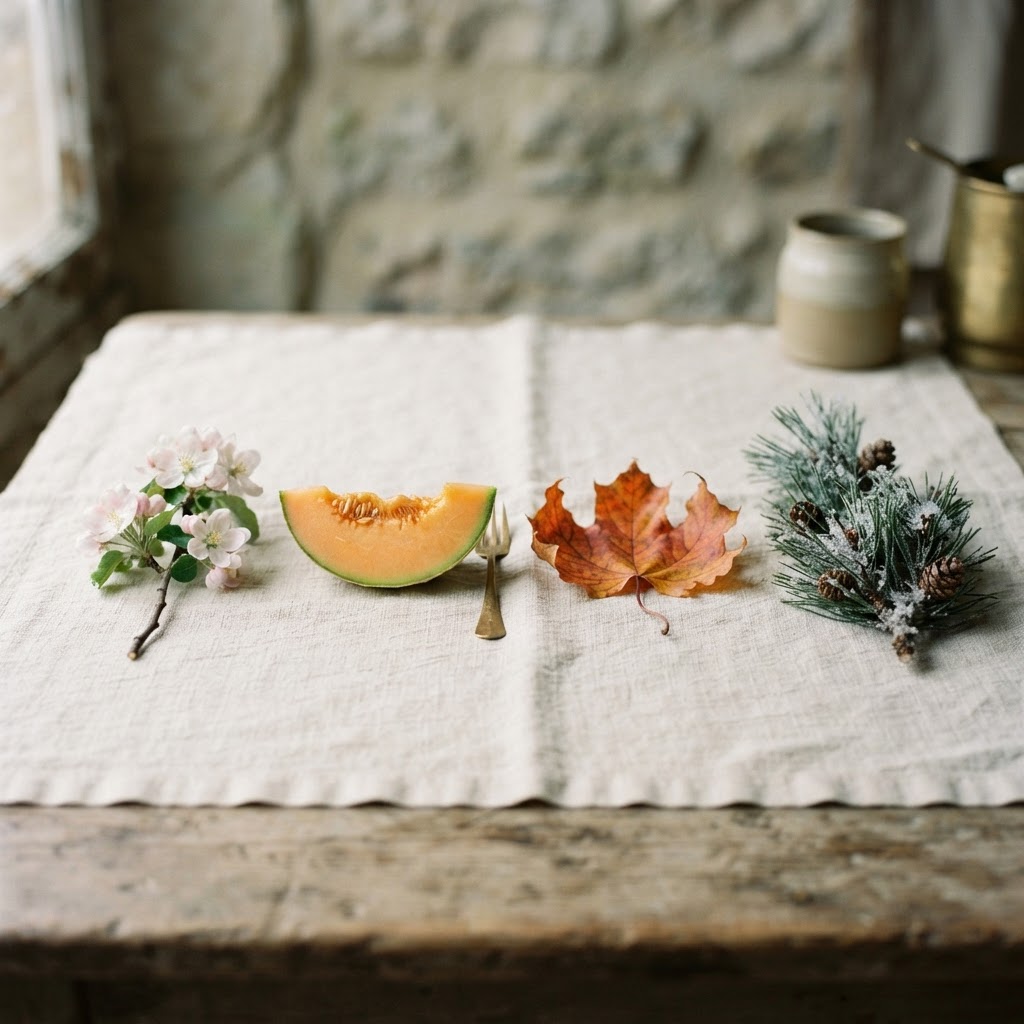
The short answer
Ritucharya is the practice of adjusting diet and routine to the season. Kapha accumulates in late winter and spring, so favour lighter, spiced food and more movement. Pitta rises in summer, so favour cooling food and moderation. Vata rises in autumn and early winter, so favour warm, oily, grounding food and a steady routine.
Spring — Kapha season
The heaviness accumulated over winter begins to melt, bringing colds, congestion, allergies and sluggishness.
- Lighter meals with bitter greens, legumes and warming spices.
- Reduce dairy, wheat, sugar and fried food.
- Wake earlier and increase vigorous exercise.
- Spring is the traditional season for a gentle kitchari cleanse.
Summer — Pitta season
Heat builds in the body, bringing irritability, inflammation, skin flare-ups and acidity.
- Cooling foods: cucumber, melon, coconut, leafy greens, basmati rice.
- Reduce chilli, alcohol, sour and fried food.
- Exercise in the cool of morning or evening; avoid the midday sun.
- Coconut oil for massage; swimming over hot, intense workouts.
Autumn — Vata season
Cold, dry, windy and changeable weather aggravates Vata: anxiety, dry skin, poor sleep and bloating often appear now.
- Warm, cooked, moist food — soups, stews, root vegetables, ghee.
- The most regular routine of the year.
- Daily sesame-oil massage.
- Protect the head, ears and neck from wind.
Winter — Vata then Kapha
Early winter continues Vata's cold and dry qualities; late winter turns heavy and damp. Digestion is strong in winter, so nourishing food is well tolerated — but add more movement as the season wears on to stop Kapha settling in.
The junctions between seasons
Classical texts call the two weeks around each seasonal change ritusandhi, and advise shifting habits gradually through that window rather than overnight. It is when people most often fall ill.
Free assessment
What is your dosha?
General advice only goes so far. The Ayurveda Nest assessment reads your constitution and your current imbalance in about ten minutes — so you know which guidance applies to you.
Take the dosha quizFrequently asked questions
- What dosha is dominant in autumn?
- Vata, because autumn is cold, dry, windy and changeable.
- What is the best season for an Ayurvedic cleanse?
- Spring, when Kapha that accumulated over winter begins to liquefy.
- Should my diet change with the seasons even if I know my dosha?
- Yes. Ayurveda adjusts for both constitution and season — a Pitta person still benefits from warming food in winter.
Keep reading